
The Evolution of Obstacle Course Racing (OCR)
Elizabeth Rivera
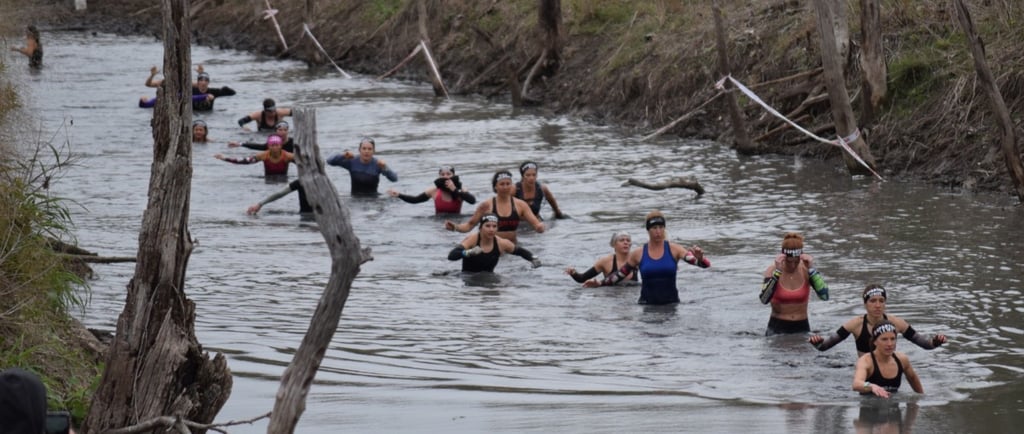
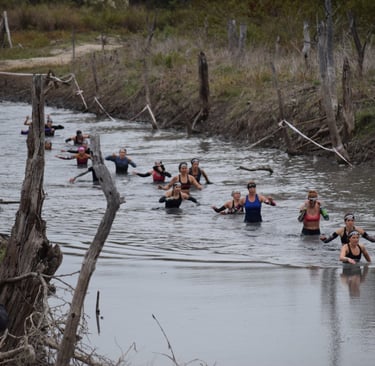
Obstacle course racing (OCR) has undergone a remarkable transformation over the past decade. What began as a gritty, grassroots movement has evolved into a global fitness phenomenon, blending endurance, strength, and community spirit. From the explosive growth of muddy races in the early 2010s to the rise of hybrid indoor competitions in the 2020s, OCR has continually adapted to cultural shifts, fitness trends, and global challenges.
This article explores the evolution of OCR from 2013 to 2025, highlighting key milestones, industry changes, and the sport’s enduring appeal.
2013–2015: The Golden Era of Growth
The early 2010s marked the beginning of OCR’s meteoric rise. Events like Spartan Race, Tough Mudder, and Warrior Dash captured the imagination of fitness enthusiasts and thrill-seekers alike. These races offered something radically different from traditional 5Ks or marathons: mud pits, fire jumps, rope climbs, and barbed wire crawls.
OCR’s appeal lay in its rawness. Participants weren’t just running; they were overcoming physical and mental obstacles. The sense of accomplishment at the finish line was amplified by the camaraderie built along the way.
During this period:
Participation surged, with millions signing up for races across North America and Europe.
OCR became a social event, with teams forming around workplaces, gyms, and friend groups.
The market became saturated with new race organizers, some of whom lacked the experience of delivering safe, high-quality events.
Despite growing pains, OCR’s popularity continued to climb. The sport attracted a wide range of people—from elite athletes to everyday people seeking a new challenge.
2016–2019: Market Correction and Maturity
As OCR matured, the industry underwent the necessary correction. The initial boom had led to an oversupply of races, and not all were sustainable. Poorly organized events began to disappear, leaving behind a core group of reputable brands.
Spartan Race and Tough Mudder emerged as leaders, refining their race formats and expanding internationally. Spartan introduced a tiered system—Sprint, Super, and Beast—encouraging participants to train for progressively harder challenges. Tough Mudder leaned into its community-driven ethos, emphasizing teamwork over competition.
Key developments during this phase included:
Global expansion: OCR events reached new markets in Asia, Latin America, and the Middle East.
Specialized races: Events began catering to different fitness levels and interests, including competitive heats, open waves, and kids’ races.
Training infrastructure: OCR gyms and training programs emerged, helping athletes prepare for the unique demands of the sport.
This period also saw the rise of OCR as a lifestyle. Participants weren’t just racing; they were training year-round, investing in gear, and building identities around the sport.
2020–2022: Pandemic Disruption and Adaptation
The COVID-19 pandemic brought OCR to a standstill. With mass gatherings restricted and travel limited, races were canceled or postponed. The industry faced an existential crisis, and athletes had to find new ways to stay active.
Race organizers pivoted quickly:
Virtual races allowed participants to complete challenges on their own, often using GPS tracking and social media to share results.
Home workouts and functional fitness became the norm, with many OCR athletes turning to bodyweight training, running, and online fitness communities.
Smaller, local events began to emerge as restrictions eased, focusing on safety and social distancing.
While the pandemic disrupted OCR's momentum, it also forced innovation. Organizers reimagined race formats, and athletes discovered new ways to stay connected and motivated.
2023–2025: Innovation Hybridization and Rebirth
As the world reopened, OCR began to reinvent itself. The post-pandemic landscape favored flexibility, indoor options, and hybrid fitness formats. This led to the rise of events like HYROX and Deka Fit, which combined running with functional workout stations in controlled environments.
These hybrid races appealed to a broader audience:
Gym-goers who prefer structured workouts.
Athletes seeking year-round competition without weather constraints.
Fitness enthusiasts interested in measurable performance metrics.
OCR also gained attention on the global stage. In a controversial move, the Modern Pentathlon replaced its equestrian event with an obstacle course. While the format resembled Ninja Warrior more than traditional OCR, it sparked conversations about the sport’s potential inclusion in the Olympics.
Other notable trends during this period:
Youth engagement: Events like Spartan Kids and family-friendly races helped introduce OCR to younger generations.
Endurance challenges: Longer races and multi-event goals like the Spartan Trifecta gained popularity, especially among women.
Technology integration: Wearables, race tracking apps, and virtual coaching became common, enhancing the training and race-day experience.
OCR’s rebirth was not just about recovery—it was about evolution. The sport adapted to new realities while staying true to its core values of grit, resilience, and community.
Key Trends Shaping OCR’s Future
As OCR continues to evolve, several key trends are shaping its trajectory:
1. Community and Camaraderie
Despite its competitive nature, OCR remains deeply rooted in teamwork and shared struggle. Many races include obstacles that require cooperation, and post-race celebrations foster lasting bonds.
2. Quality Over Quantity
The industry has shifted from mass participation to curated experiences. Athletes now seek well-organized events with meaningful challenges and memorable environments.
3. Fitness Fusion
OCR is no longer just about running and climbing. It now incorporates elements of CrossFit, HIIT, and endurance training, appealing to a wider fitness audience.
4. Inclusivity and Accessibility
With the rise of youth races, adaptive athlete categories, and beginner-friendly formats, OCR is becoming more inclusive. Organizers are working to ensure that people of all ages and abilities can participate.
5. Gender Dynamics
Women are increasingly participating in longer, more challenging races. This shift is reshaping the sport’s demographics and encouraging more inclusive race design and marketing.
Looking Ahead: What’s Next for OCR?
The future of OCR is bright and multifaceted. As fitness trends continue to evolve, OCR is well-positioned to remain relevant by embracing innovation and inclusivity. We may see:
Greater integration with mainstream fitness platforms.
More indoor and hybrid race formats.
Enhanced digital experiences, including virtual coaching and race simulations.
Continued efforts to gain recognition in international sporting bodies.
For athletes, OCR offers a unique blend of challenge and reward. It’s not just about crossing the finish line; it’s about overcoming obstacles, both literal and metaphorical. Whether you're scaling a wall, crawling through mud, or pushing through a final sprint, OCR teaches resilience, grit, and the power of community.
Conclusion
From the muddy fields of 2013 to the hybrid arenas of 2025, obstacle course racing has proven its staying power. It has weathered market shifts, global disruptions, and changing fitness landscapes, emerging stronger and more diverse than ever.
OCR is more than a sport; it’s a movement. It challenges the body, engages the mind, and connects people through shared struggle and triumph. As it continues to evolve, one thing remains clear: the spirit of OCR is unstoppable.
About this Author
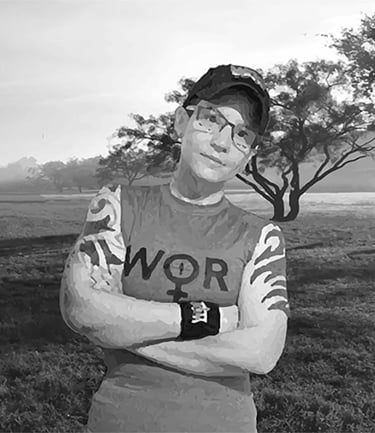
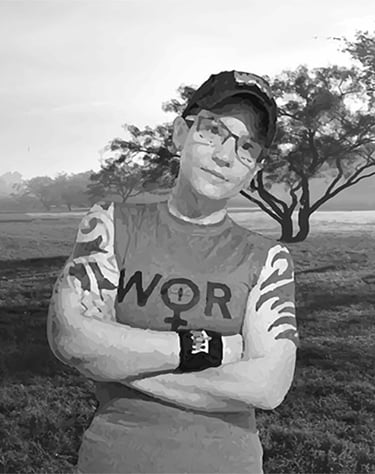
Elizabeth Rivera is the founder of THIS IS WOR - Women of Obstacle Racing, WOR PRO Team, WOR Battle Buddy, and Women of Racing, living in San Antonio, Texas. She has been obstacle racing since 2013 and continues to inspire others to push past limits, embrace their power, and celebrate every victory.